Cumin Lamb: Hunan Style
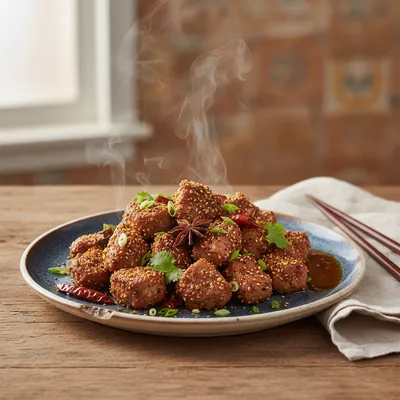
Quick Info
- Flavor
- Aggressively aromatic and savory with warm cumin and chili. Think of the best lamb gyro or shawarma seasoning, amplified with wok heat and fresh chilies.
- Texture
- Thin-sliced tender lamb with crispy charred edges, coated in toasted cumin seeds and chili flakes
- Spice Level
- 🌶️🌶️ — About the heat of a fresh jalapeno, the cumin warmth adds to the sensation
- Temperature
- Served Hot
Ingredients
Allergens
Confirmed
Possible
These ingredients may vary by restaurant. Ask your server to confirm.
The story
Cumin lamb originated in China’s northwestern Muslim communities, but it’s been enthusiastically adopted across the country, with each region adding its own twist. The Hunan version cranks up the chili quotient and applies the province’s signature wok technique. Cumin isn’t traditionally a Hunan spice; traders brought it along the Silk Road, and Hunan cooks embraced it with characteristic boldness.
In Changsha, this dish appears on virtually every restaurant menu and is one of the most popular ways to eat lamb in southern China.
What to expect
A sizzling plate of thin-sliced lamb arrives, visibly coated in whole cumin seeds and red chili flakes, mixed with sliced onions and fresh peppers. The aroma is something else, toasted cumin and charred meat fill the air. Each piece of lamb is thin enough to get crispy edges from the blazing wok, while staying tender inside. The cumin flavor is front and center, warm and earthy, backed by chili heat and the natural sweetness of good lamb.
If you’ve ever enjoyed lamb at a Middle Eastern or Indian restaurant, this dish will feel surprisingly familiar yet distinctly Chinese.
Tips
Eat this quickly while it’s hot, the lamb toughens as it cools. Pair it with steamed rice or, even better, with flatbread if the restaurant offers it. This dish works well for Western palates because cumin is a familiar spice that bridges the gap between cuisines you know and Hunan cooking. Order it alongside a milder dish for contrast.